Opzoeken
30 - 45 van 2520 nieuws bekijken
-
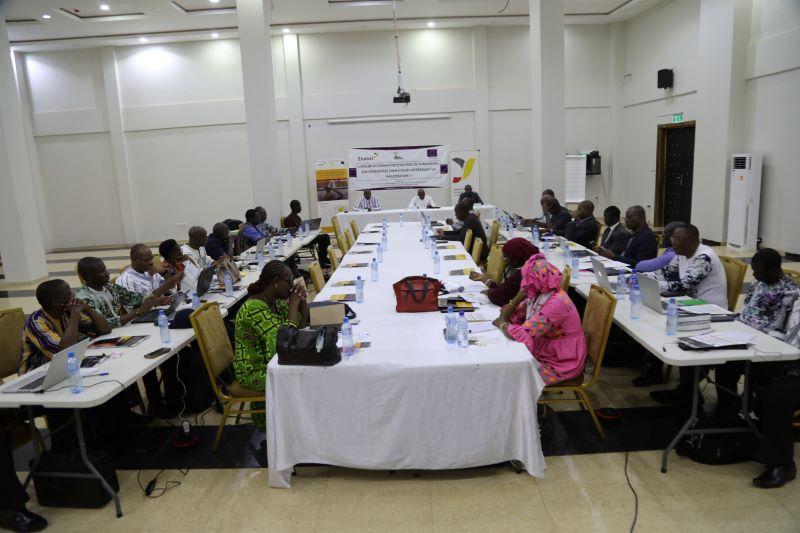
Un pool de Magistrats formateurs du Conseil Supérieur de la Magistrature pour contribuer à lutter contre l’impunité au Burkina Faso
Geoffroy ZONGO | 12/11/2024
Du 24 au 27 septembre 2024, Enabel à travers le Projet d’Appui au Renforcement de la Justice pour lutter contre l’impunité (PARJI) a organisé une session de formation au profit des formateurs du Conseil Supérieur de la Magistrature (CSM). L’objectif était de renforcer les capacités du Pool des formateurs du CSM sur les techniques et outils d’animation des formations pour adultes. La ville de Koudougou a abrité la dernière activité pour le compte du PARJI dans le cadre de la mise en place d’un plan de formation continue des magistrats. Il s’agit de la formation du pool de formateurs dont la cérémonie d’ouverture des travaux a été présidée par le Président du CSM, Adama OUEDRAOGO. Il avait à ses côtés le Secrétaire Permanent du CSM Paulin BAMBARA et le chef du Projet PARJI à Enabel, Daguelé Patrick OUATTARA. Dans son mot de bienvenu, le chef du projet PARJI a rappelé que “l’appui au renforcement des capacités techniques des acteurs judiciaires, notamment des magistrats, était l’un des chantiers majeurs inscrits dans le cadre du premier objectif spécifique du PARJI qui vise l’amélioration du fonctionnement de la chaîne pénale afin de répondre à la demande de justice dans la zone d’intervention du projet. Pour ce faire, il est apparu nécessaire, au-delà des formations spécifiques qui ont été organisées durant la période de mise en œuvre du PARJI, de doter le Conseil Supérieur de la Magistrature d’un plan de formation continue des Magistrats pour garantir durablement l’efficacité du fonctionnement des juridictions. Le présent atelier vise donc à opérationnaliser ce plan de formation continue en outillant suffisamment le pool de formateurs constitué pour l’animer. Tout cela est une réalité aujourd’hui, grâce à la très bonne collaboration entre le PARJI et le CSM et au-delà, avec le Ministère en charge de la Justice”. Les résultats recherchés à travers cette formation du pool de formateurs du CSM sont entre autres : le renforcement des compétences et l’uniformisation des techniques d’animation des formations pour adultes, la mise à jour des connaissances et le partage des expériences, etc. En effet, la mise en place d’un pool de formateurs par le CSM a pour objectif de garantir une formation continue de qualité aux magistrats, adaptée aux besoins spécifiques du système judiciaire burkinabè. Composé de magistrat·es de divers grades et issus·es de plusieurs ordres de juridiction, ce pool de formateurs sera chargé de l’animation des différentes formations inscrites dans le plan de formation continue des magistrats adopté en mars 2024. A travers la constitution d'un pool de formateurs, le CSM veut assurer une cohérence et une uniformité dans la mise en œuvre du plan de formation continue des magistrats, afin de maintenir des standards élevés dans l'administration de la justice. Les partages d'expériences et de bonnes pratiques entre les formateurs eux-mêmes ont enrichi la formation et permis d'intégrer des approches variées et innovantes. C’était l’occasion de rappeler aux futurs formateurs l'importance d'adapter en permanence le contenu de des formations aux réalités et aux défis spécifiques du Burkina Faso, afin de garantir une meilleure pertinence et une efficacité accrue pour les magistrats. En formant continuellement des magistrats compétents et bien préparés, le CSM veut contribuer à renforcer la crédibilité et la confiance du public dans le système judiciaire et permettre aux magistrats de se perfectionner tout au long de leur carrière. Selon le Président du CSM, Adama OUEDRAOGO, “en matière de formation, la connaissance technique, si elle est indispensable, n’est pas en soi suffisante ; encore faut-il savoir la dispenser. C’est la raison pour laquelle le CSM, mesurant la délicatesse de l’exercice, a choisi de vous donner quelques outils en la matière à travers une formation”. Plus spécifiquement, les participants·es ont pu acquérir les fondamentaux de l’andragogie, les méthodes et techniques de conception d’une séquence de formation et les méthodes et techniques de définition des objectifs d’une formation. Ils ont également appris à maîtriser l’utilisation des principaux outils de la communication andragogique, à analyser les différents aspects de la communication en situation de formateur et les méthodes et techniques d’animation d’une séquence de formation. Durant les 4 jours, en plus de ces connaissances acquises, les formateurs maîtrisent désormais l’utilisation des outils andragogiques, tels que le tableau, le vidéoprojecteur et le dispositif de visioconférence ains que les techniques d’une formation en ligne. Tout en encourageant ces formateurs à se spécialiser dans différents domaines du droit afin d'accéder à une expertise pointue sur des sujets spécifiques, le CSM, à travers ce pool de formateurs favorise la création d'un réseau professionnel entre les magistrats formateurs, facilitant les échanges et le soutien mutuel. Toute chose qui va contribuer à une meilleure administration de la justice, à créer un impact positif sur la société dans son ensemble, en garantissant des décisions judiciaires permettant de lutter contre l’impunité au Burkina Faso. D’où l’accompagnement d’Enabel à travers le PARJI, financé par l’Union européenne et dont la fin est annoncée pour ce mois d’octobre 2024. Au total, dans le cadre de cette activité, le PARJI a contribué au renforcement des capacités de 24 personnes du pool des Magistrats formateurs du CSM et de 5 personnes issues d’institutions partenaires. Cela vient ainsi clôturer une série de vingt-cinq activités majeures, coorganisée avec le CSM, et qui ont permis de doter les magistrats d’outils et de connaissances pratiques. Elles ont accru leurs capacités managériales et amélioré l’efficacité de leurs juridictions.
-
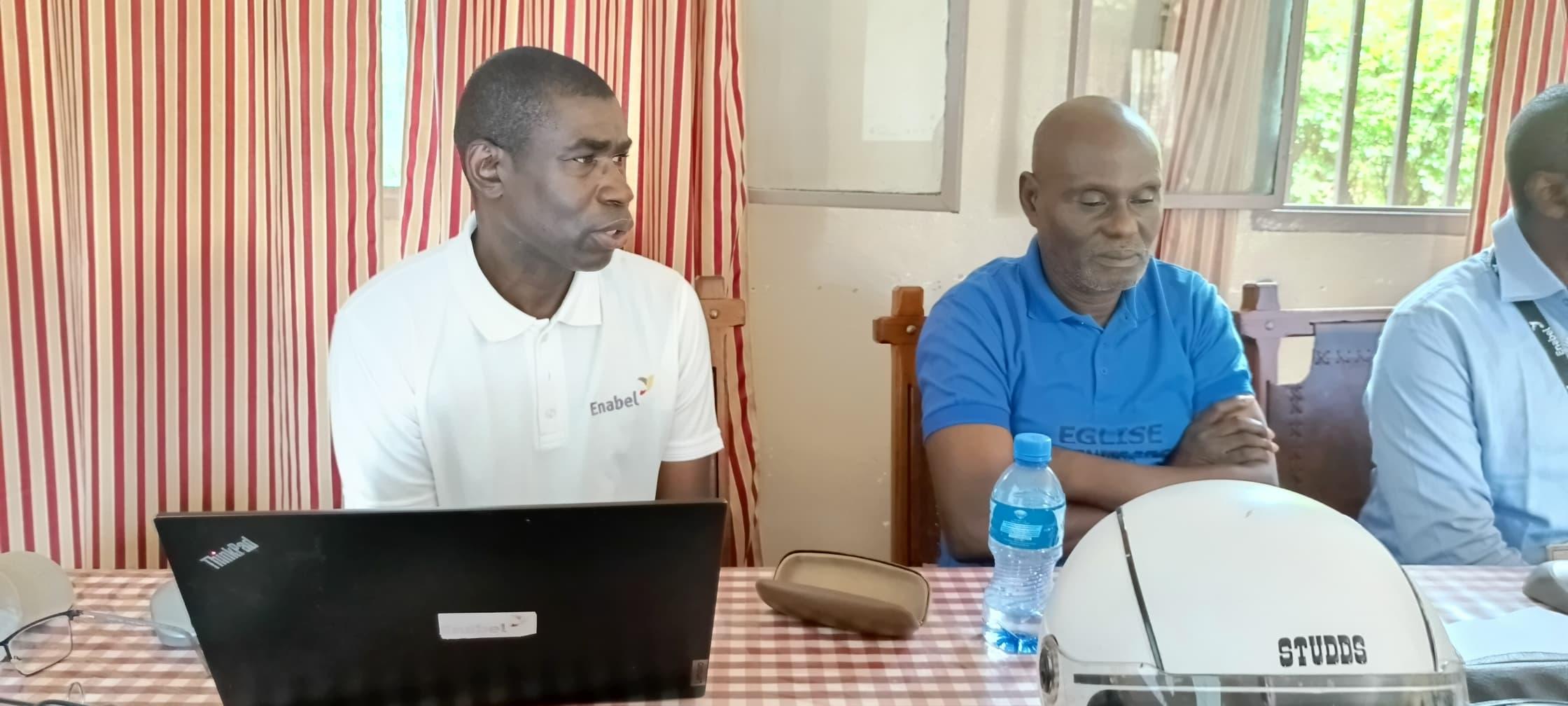
RDC : Une mobilisation en cours face au ravageur du palmier dans la province de la Lomami
Paola VANGU TSAKALA | 12/11/2024
La province de la Lomami est confrontée à une menace sérieuse pour ses plantations de palmiers : le charançon rouge, un ravageur particulièrement redoutable. Pour y faire face, le projet Agriculture pour La Lomami (KORLOM) a lancé des actions concertées.Le 5 novembre 2024, la troisième réunion du Comité Technique (CoTech) s’est tenue à Ngandajika, sous la présidence de l'inspecteur provincial du développement rural. Cette rencontre visait à planifier des actions urgentes contre ce ravageur.Selon une mission d'experts réalisée en octobre à Ngandajika et Luputa, le charançon rouge attaque surtout les variétés de palmiers introduites par le CIRAD (Centre de coopération internationale en recherche agronomique pour le développement). Bien que des mesures aient déjà été prises, les résultats restent insuffisants, soulignant la nécessité de renforcer les méthodes de lutte.Lors de cette réunion, les membres du CoTech - parmi lesquels l'Inspection Provinciale de l’Agriculture et Sécurité Alimentaire (IPASA), le Service National de Vulgarisation (SNV), l’Institut National pour l’Étude et la Recherche Agronomiques (INERA) et d'autres partenaires - ont étudié un plan d’action concret et un chronogramme pour contrer le charançon rouge. Celui-ci comprend une formation technique pour les agronomes de secteur et les moniteurs agricoles ainsi qu'une vaste campagne de sensibilisation destinée aux producteurs de palmiers à huile (Elaeiculteurs).Les échanges ont permis de renforcer la coordination entre les partenaires impliqués, dans le but de protéger les plantations et d’assurer la pérennité de la production d’huile de palme, une ressource essentielle pour la région. Les membres du CoTech ont réaffirmé leur engagement à appliquer ces stratégies de prévention et de lutte pour limiter l'impact du charançon rouge sur les palmeraies de la Lomami et soutenir durablement l’économie locale.
-
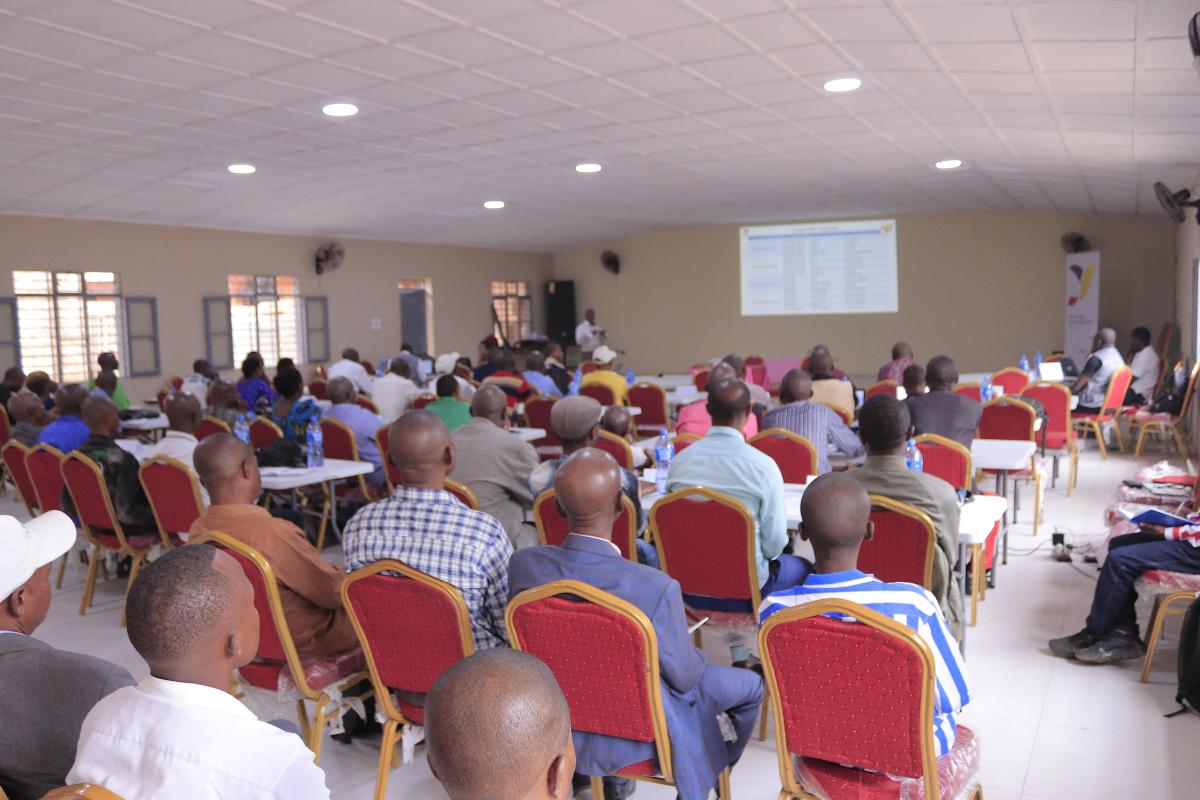
AGRICULTURE FAMILIALE : RÉSULTATS D’UNE ÉTUDE SUR LES MÉNAGES AGRICOLES AU KASAÏ ORIENTAL
Paola VANGU TSAKALA | 12/11/2024
Le 31 octobre 2024, une réunion à Mbujimayi a partagé les résultats d'une étude sur les ménages agricoles dans le cadre du projet Agriculture. En présence des partenaires du projet, cette rencontre a permis d’identifier les critères pour sélectionner les Ménages Agricoles Vulnérables (MAV) et les types d’aides qui leur seront apportés. Cette étude, réalisée auprès de 12 694 ménages agricoles, a montré que deux types de ménages sont présents dans les campagnes autour de Mbujimayi : les MAV, qui représentent 82 % de l’échantillon, et les Ménages Agricoles Intermédiaires (MAI), qui représentent les 18 % restants. Ces catégories aident à mieux comprendre les besoins de chaque groupe. Dans le cadre de cette initiative, 1 000 ménages agricoles vulnérables ont été choisis pour recevoir un soutien global visant à améliorer leurs exploitations. Ce soutien inclut des formations sur des techniques agricoles adaptées, des équipements de base et un accompagnement pour mieux gérer leurs récoltes. Les partenaires présents ont réaffirmé leur engagement à soutenir ces ménages de manière durable pour renforcer la sécurité alimentaire et l’autonomie de la région.
-
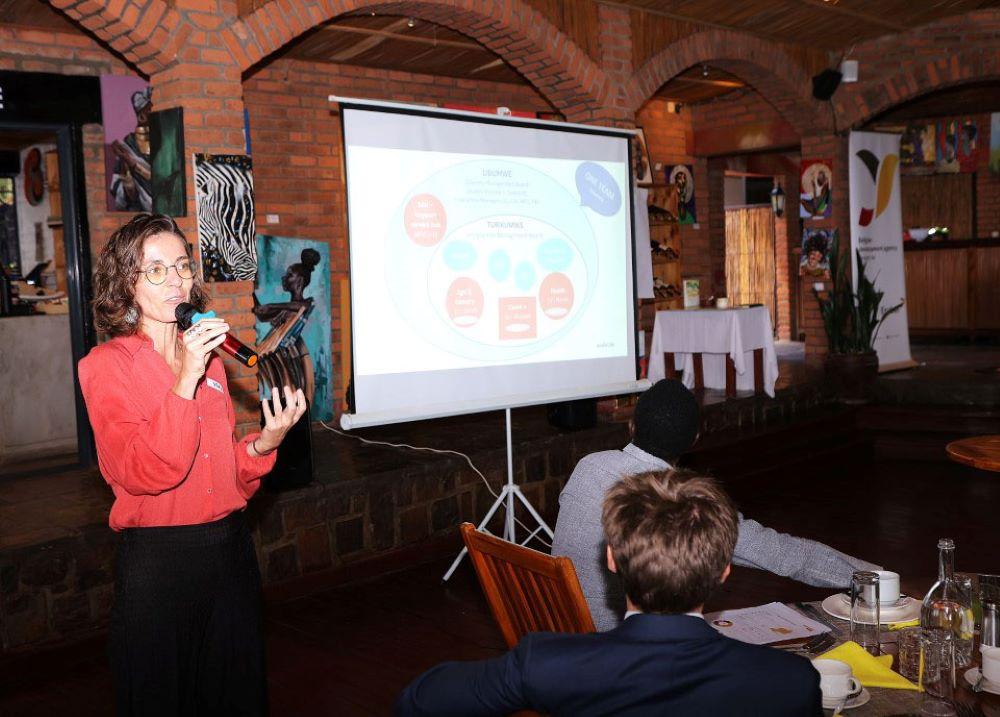
Learning Café: Skills Development programme with Enabel in Rwanda
Denise NSANGA | 11/11/2024
At Enabel, we believe in mutual learning, sharing experiences and perspectives to gain new knowledge insights, strengthen partnerships, and create new synergies. That’s exactly what the Learning Café aims to foster: an environment where Enabel colleagues and stakeholders come together to share experiences and explore new ways to drive impactful change. The today’s Learning Café - held on November 08, 2024 - focused on Skills Development, a crosscutting initiative implemented through the Urbanisation, Agriculture and Social Protection programmes. Through a dynamic role play, the Skills Development team highlighted the practical applications of the initiative, and we were all thrilled to hear personal testimonies of programme beneficiaries, about how the Skills Development programme has made a difference in their lives and communities. Such learning exchanges will follow in other topics soon from various programmes to foster knowledge-sharing, and the collective effort towards achieving the Belgium-Rwanda cooperation’s objectives.
-
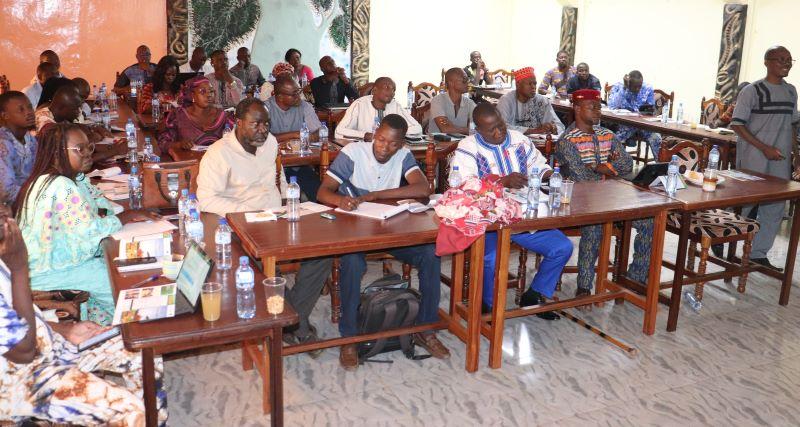
Des acteur·trices de collectivités territoriales du Centre-Nord acquièrent une bonne compréhension de leurs rôles et responsabilités en matière de redevabilité avec l’appui d’Enabel au Burkina Faso
Geoffroy ZONGO | 11/11/2024
Enabel au Burkina Faso à travers son projet “Appui à la stabilisation de l’Axe Ouagadougou-Kaya-Dori (OKD)”, financé par l’Union européenne, a organisé du 08 au 10 octobre 2024 à Kaya, un atelier de formation au profit d’une quarantaine d’acteurs des collectivités territoriales sur l’exercice de redevabilité pour une participation accrue dans le processus de prise de décision au niveau locale en vue de la relance des économies locales et régionales. L’objectif poursuivi est de permettre aux acteurs de prendre une part active au processus de gestion de leurs cités et de contribuer à promouvoir des collectivités territoriales transparentes, redevables et qui promeuvent la participation citoyenne. Le processus de décentralisation dans lequel le Burkina Faso est engagé depuis quelques décennies offre l’opportunité aux citoyen·nes de s’impliquer directement ou indirectement dans la gestion de leurs communes. Aujourd’hui en faisant l’état des lieux de la décentralisation, on constate qu’il y a de nombreux acquis enregistrés dans la mise en œuvre du processus, mais qu’il reste encore de nombreux défis à relever. Pour ce faire et pour une fourniture continue des services publics de base aux populations, l’Etat burkinabè a inscrit dans son agenda, des actions pour promouvoir la gouvernance locale participative orientée sur une gouvernance inclusive du territoire par : 1) une gestion transparente, responsable et participative des affaires locales, 2) un renforcement de l’appropriation et de l’exercice de la citoyenneté et 3) un renforcement de l’adhésion et de la participation citoyenne à la mise en œuvre de la décentralisation. En organisant, cet atelier de formation axée sur la redevabilité, Enabel au Burkina Faso entend apporter une contribution visant à favoriser une meilleure implication des populations à la base, au processus de gouvernance de leurs espaces de vie. Il s’agit surtout de contribuer à promouvoir des collectivités territoriales transparentes, redevables et qui promeuvent la participation citoyenne. A l’issue de cette rencontre interactive ponctuée par des exposés, des travaux de groupe, des brainstormings et des échanges, certains participant·es approché·es se sont dit·es satisfait·es d’avoir entre autres acquis une meilleure compréhension de leurs obligations en matière de redevabilité de l’action publique locale et découvert des méthodes, outils et moyens d’analyse, de mobilisation, de communication en matière de redevabilité. Kimségninga SAVADOGO, Communication Assistant
-
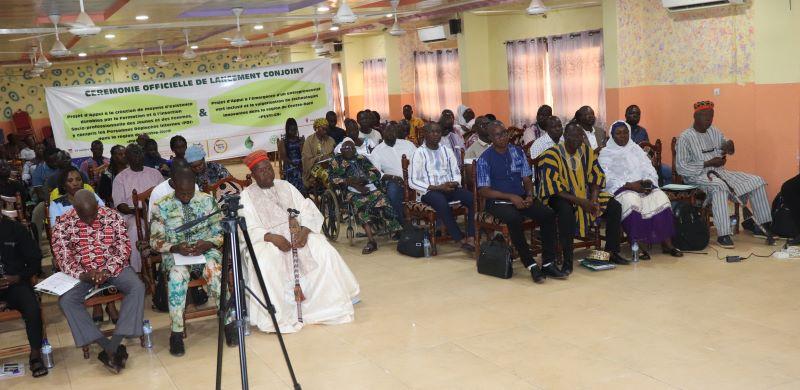
Enabel au Burkina Faso lance 2 nouveaux projets visant l’insertion socio-économique et professionnelle des jeunes et des femmes du Centre-Nord
Geoffroy ZONGO | 08/11/2024
Le programme d’appui à la stabilisation de l’Axe Ouagadougou – Kaya - Dori (OKD) financé par l’Union Européenne et mis en œuvre par l’Agence belge de développement - Enabel et la GIZ a officiellement lancé le 10 octobre 2024 à Kaya, chef-lieu de la région du Centre-Nord, deux projets dénommés : Appui à la création de moyens d’existences durables par la Formation et à l’Insertion Socio-professionnelle des Jeunes et des Femmes y compris des PDI dans la région du Centre-Nord ; Appui à l’émergence d’un entrepreneuriat vert inclusif et la vulgarisation de technologies innovantes dans la région du Centre-Nord (PEVT-CN) . La mise en œuvre de ces deux projets a été confiée à deux organisations : Self Help Africa et Autre Terre. Le « Projet d’Appui à l’émergence d’un entrepreneuriat vert inclusif et la vulgarisation de technologies innovantes dans la région du Centre-Nord (PEVTI-CN) » financé par l’Union européenne via le projet OKD d’Enabel au Burkina Faso, a pour objectif de contribuer à l’émergence d’un entreprenariat vert durable et inclusif dans les filières des énergies renouvelables, la gestion économe de l’eau et la valorisation des déchets solides dans la région du Centre-Nord. Il va accompagner les entreprises vertes existantes dans l’amélioration de leur compétitivité, la création d’emplois verts durables pour les femmes et les jeunes y compris les Personnes Déplacées Internes (PDI), la promotion et l’utilisation de technologies innovantes et résilientes dans les trois filières, par les populations. Il est financé par Enabel via un appel à projet pour une durée de 30 mois et va cibler directement 55 entreprises de l’EV, les autorités régionales, provinciales et communales, ainsi que les ménages des communes concernées, y compris les PDI, qui seront sensibilisés par les PME/PMI, pour l’adoption des technologies et services verts fournis par les entreprises vertes. Concrètement, 55 micros, petites et moyennes entreprises de l’EV seront retenues à l’issue d’un processus de sélection et bénéficieront d’un accompagnement en renforcement de capacités dans les domaines de la gestion d’entreprise solidaire, l’économie sociale et solidaire, la digitalisation, etc. Ils bénéficieront d’un accompagnement à l’accès au financement et des subventions pour le développement de leur offre en produits verts. Quant au « Projet d’Appui à la création de moyens d’existences durables par la Formation et à l’Insertion Socio-professionnelle des Jeunes et des Femmes y compris des PDI dans la région du Centre-Nord/PROFI » également financé par l’Union européenne via le projet OKD d’Enabel au Burkina Faso, il se focalisera sur la formation des femmes et des jeunes. Il se fonde sur la conviction selon laquelle l’autonomisation (par la formation pour le renforcement des compétence/connaissances) des femmes et des jeunes est essentielle pour la relance économique de la région du Centre-Nord. Il entend renforcer les compétences techniques d’au moins 1 180 jeunes et femmes des communes de Kaya, Ziga, Boulsa et Tougouri dans des métiers porteurs tels que la transformation agro-alimentaire et la production animale tout en facilitant leur insertion professionnelle. En effet, depuis 2015, les conditions de vie et d’existence des populations se sont fortement dégradées avec la crise complexe et multidimensionnelle que connait le Burkina Faso. Cette crise avec les différentes mutations socio-économiques ont progressivement compromis les possibilités et opportunités d’emploi pour les jeunes et les femmes. Selon le Chef de projet OKD d’Enabel au Burkina Faso M. Seydou COULIBALY, les deux projets lancés sont en adéquation avec les orientations du gouvernement et les priorités sectorielles. Les besoins des communautés et leurs domaines d’activités permettront de renforcer les initiatives existantes dans la région en matière de formation professionnelle, d’entrepreneuriat vert et de vulgarisation de technologies innovantes. Ces projets viendront atténuer les impacts socio-économiques de la situation sécuritaire sur les conditions de vie des communautés et contribuer à la relance économique dans la région tout en favorisant l’insertion socio-professionnelle, l’autonomisation et l’épanouissement des femmes et des jeunes des différentes communes d’intervention. Kimségninga SAVADOGO, Communication Assistant
-
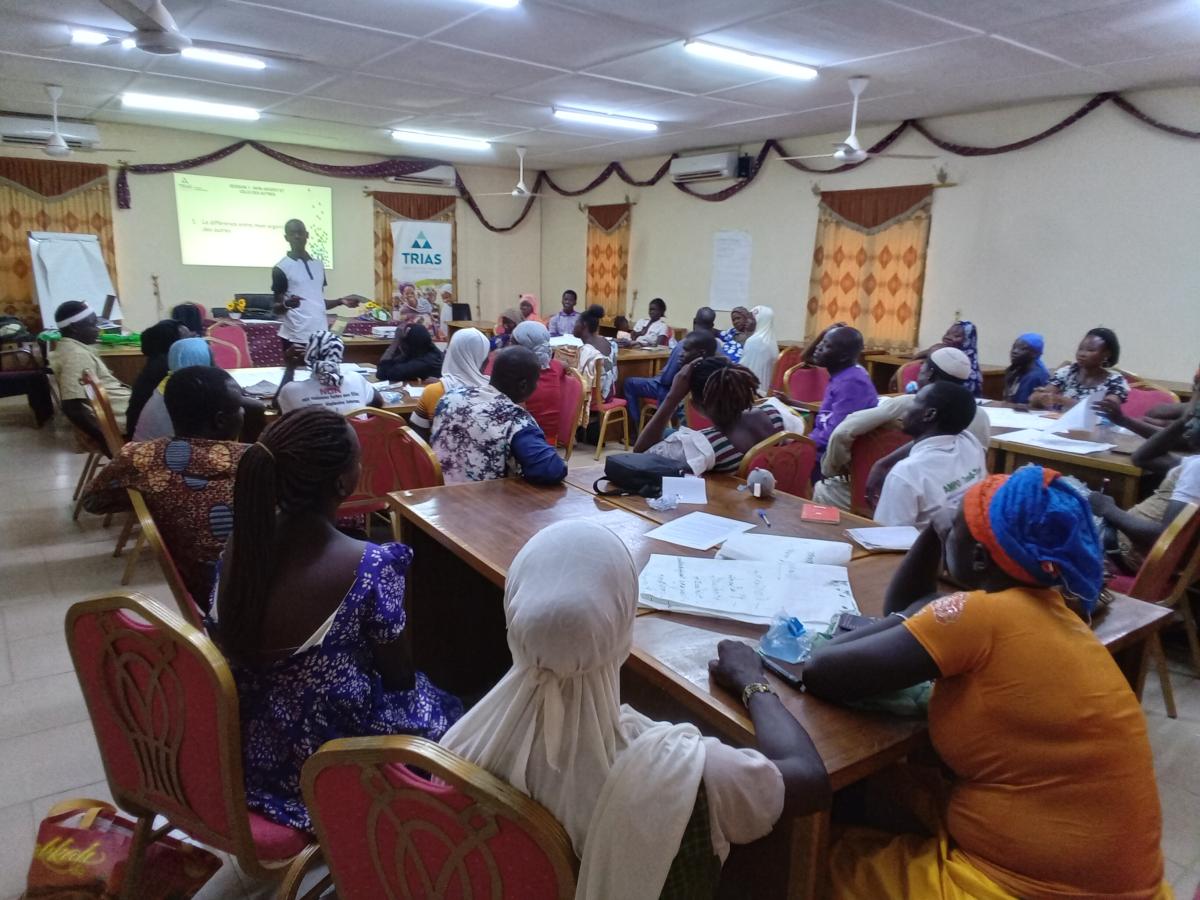
120 jeunes porteurs de projets formés à l’accès au marché et au financement avec l’appui d’Enabel au Burkina Faso
Geoffroy ZONGO | 08/11/2024
Le programme d’appui à la stabilisation de l’Axe Ouagadougou-Kaya-Dori (OKD) financé par l’Union Européenne et mis en œuvre par l’Agence belge de développement - Enabel et la GIZ a organisé respectivement du 30 septembre au 02 octobre 2024 à Kaya, du 03 au 05 octobre 2024 à Boussouma et du 10 au 12 octobre 204, à Boulsa, des sessions de renforcement des capacités de 120 jeunes promoteurs·trices d’entreprises des provinces du Sanmatenga et du Namentenga, en la gestion financière de leurs entreprises. L’objectif général de ces sessions est d'outiller les jeunes promoteurs d’entreprises de compétences et attitudes nécessaires pour prendre des décisions financières éclairées et responsables. Autrement dit, il s’agira de : fournir aux jeunes des connaissances sur la budgétisation, l’épargne et le crédit ; éclairer les participants sur les tenants et les aboutissants du prêt ainsi que les avantages d’une bonne gestion des dettes ; renforcer les capacités des promoteurs·trices d’entreprises en techniques de négociation de prêts avantageuses auprès des structures de financement. L’organisation de ces sessions de renforcement de capacité a été surtout motivée par le fait que, suite à un diagnostic fait auprès de ces jeunes entrepreneurs, il ressort qu’ils rencontrent des difficultés liées à la gestion financière de leurs entreprises, ce qui limite leur potentiel de croissance et de succès à long terme. C’est dans le cadre de la mise en œuvre du “Projet de Renforcement de l’Accès aux Marchés et aux Crédits dans le Centre-Nord (PRAMAC)”, que le projet OKD d’Enabel au Burkina Faso a apporté son appui à TRIAS. TRIAS à son tour, a œuvré en synergie avec l’Union Provinciale de Sociétés Coopératives de Producteurs d’Oignon du Sanmatenga (UPCPO) et l’Association AGIR pour le Burkina, pour l’amélioration de l’accès au marché et au financement des acteurs économiques de onze communes cibles de la région du Centre-Nord.Ces sessions de formation en éducation financière ont permis aux jeunes d’acquérir des compétences et connaissances nécessaires pour gérer efficacement leurs finances et assurer la viabilité de leurs projets entrepreneuriaux. Elles visaient également à préparer les jeunes entrepreneur·es à de futures rencontres de mise en relation avec les institutions financières qui opèrent dans la zone d’intervention du projet.La formation des 120 jeunes porteurs de projet intervient après la sélection de 75 acteurs économiques (60 coopératives et 15 micros, petites, et moyennes entreprises) actifs dans les filières oignon, niébé, bétail-viande, volaille, PFNL (karité, balanites, néré, moringa) qui bénéficient aussi d’un accompagnement en coaching entrepreneurial de la Maison de l’Entreprise et d’un appui de Trias sur le volet accès aux financements. Kimségninga SAVADOGO, Communication Assistant
-
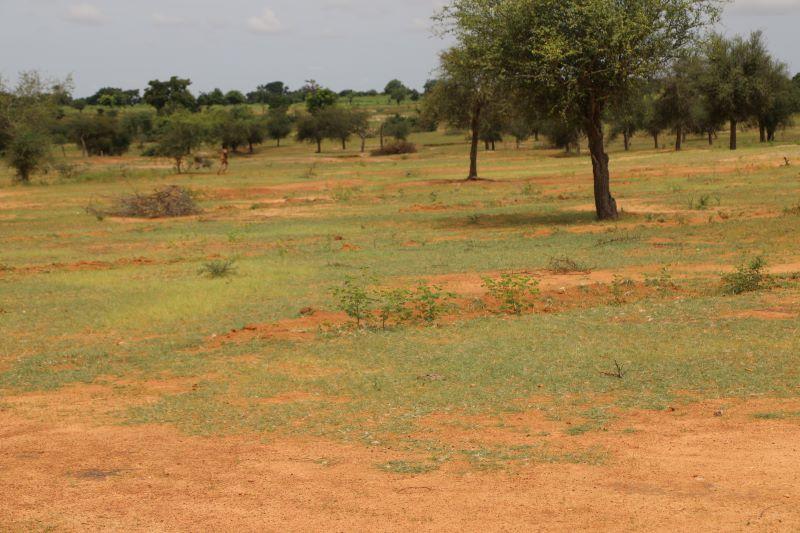
Récupération des terres dégradées au Burkina Faso : Enabel engrange de bons résultats grâce à l’ensemencement d’herbes adaptées aux besoins des populations
Geoffroy ZONGO | 08/11/2024
Dans le cadre de la mise en œuvre du Portefeuille Thématique Climat Sahel – volet Burkina Faso (PTCS-BFA), Enabel a entrepris de récupérer 2650 hectares (ha) de terres dégradées dans les régions du Plateau central, du Centre-Nord et du Centre-Est. En effet, Enabel, à travers le Projet Rilgré débuté en 2023 et mis en œuvre dans ces 3 régions par le consortium d’ONG Solidar Suisse et Agroécologie Béog-Nèré, s’est donnée pour mission la récupération des sols dénudés afin de les rendre arables et fertiles pour améliorer les rendements agricoles des populations paysannes à travers des techniques de restauration dont l’ensemencement des herbacées. L'ensemencement d'herbes sur les sols dégradés et labourés par la charrue Delfino est une stratégie de régénération des sols, de prévention de l'érosion et de restauration de l'équilibre écologique des terres agricoles. La visite terrain qui a eu lieu du 18 au 21 septembre 2024 avait entre autres objectifs de voir l’avancement de l'ensemencement des herbes sur les sols dégradés et labourés par la charrue Delfino. Cet ensemencement revêt une grande importance pour plusieurs raisons, liées à la restauration écologique des terres dégradées, l'amélioration de la structure du sol et la prévention de l'érosion. La dizaine de sites visités a permis à l’équipe d’Enabel de constater une réelle restauration de la couverture végétale et l’amélioration de la structure du sol. Sur les sols dégradés ou dénudés par des pratiques agricoles intensives sans respect des règles de protection de l’environnement, la couverture végétale a été détruite. L'ensemencement d'herbes a permis de régénérer cette couverture végétale qui est indispensable pour rendre les sols propices à l’agriculture, les protéger des intempéries et créer du fourrage pour les animaux. Si cette pratique vise la récupération rapide des terres pour les cultures, elle contribue à l’augmentation de la biodiversité car la réintroduction d'herbes locales adaptées au climat et au sol permet de restaurer un équilibre écologique. La délégation d’Enabel a également remarqué que la couverture herbacée de ces sites a amélioré la rétention d'eau dans le sol en limitant le ruissellement. Cela va permettre de maintenir un niveau d'humidité favorable pour la végétation et les cultures à long terme. Le témoignage des paysans est réconfortant et rassurant. Pour Mathieu NARE, habitant de Kourit-bilyargo, cette technique est une première dans son village et il reste convaincu de son importance pour la récupération des terres dégradées. « Ce sol était une clairière, carrément dénudé. Grâce au Projet Rilgré qui a fait labourer cet espace par la charrue Delfino et qui l’a ensemencé d’herbes, nous voyons maintenant que c’est un terrain reverdi qui donne du fourrage à nos animaux. Nous avons fait plusieurs années sans voir de l’herbe pousser sur ce terrain. Après les pluies, toute l’eau de ruissellement partait ailleurs. Mais actuellement, nous constatons que les eaux de pluie restent et gardent humide cet espace, qui jadis était dénudé et abandonné par les Hommes et les animaux. Déjà, pour la saison hivernale prochaine, nous envisageons exploiter ce terrain à des fins agricoles parce que nous sommes convaincus qu’il est à nouveau fertile et qu’il peut nous donner de très bons rendements. », foi de Mathieu NARE. Pour la campagne agricole 2024, Enabel a pu ensemencer d’herbes 1160 ha de terres dénudées labourées à la charrue Delfino. Il s’agit essentiellement des espèces d’herbes suivantes : Andropogon gayanus, Andropogon pseudapricus, Pennisetum pedicellatum, Eragrostis tremulla, Cymbopogon schoenanthus, Cymbopogon giganteus, Chrysopogon nigritana , Shizachyrium ruderale, proposées et fournies par le Centre National des Semences Forestières (CNSF) du Burkina Faso. Elles sont adaptées au climat et aux sols identifiés dans les localités concernées.
-
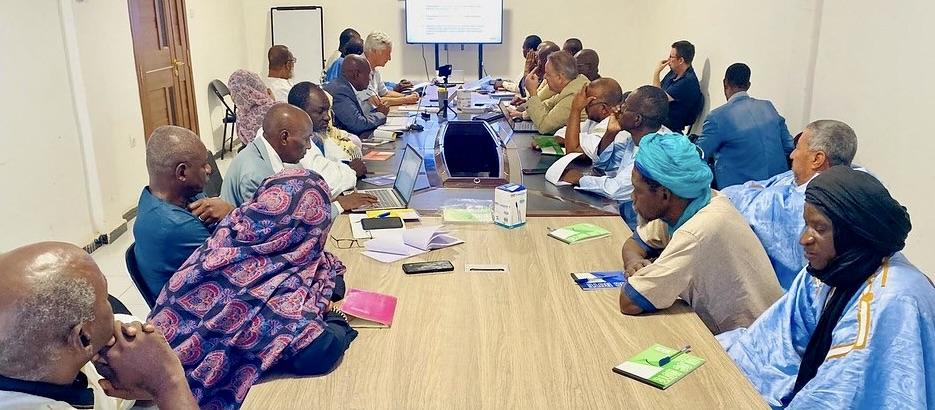
En Mauritanie: Atelier d’accompagnement du développement d’un dispositif de Conseil Agricole et Pastoral (CAP) au sein des filières « fourrage - lait », « Riz-Décrues » et « Maraichage »
Aminata KANE | 07/11/2024
Du 4 au 6 novembre 2024, l’IPAR Mauritanie a accueilli un atelier de grande importance pour les filières agropastorales du pays. Organisé par le projet RIMFIL d’Enabel sous financement de l’Union Européenne. Cet événement a rassemblé divers acteurs autour des filières « fourrage - lait », « Riz-Décrues » et « Maraichage ». Cet atelier a offert une plateforme précieuse de réflexion sur les défis et le rôle stratégique du CAP dans le développement des filières agricoles et pastorales en Mauritanie. L’atelier a pris la forme de discussions enrichissantes et de partages d’expériences entre producteurs, ONG, représentants de l’État, acteurs privés, techniciens, institutions financières et les acteurs de la société civile. Les principaux objectifs de cet atelier étaient de : S’accorder sur le rôle et les défis du CAP pour accompagner les acteurs et le développement de chaque filière ; Présenter et partager les enseignements actuels de certaines expériences de développement d’activités de CAP dans chaque filière ; Elaborer et discuter des recommandations propres à chaque filière pour développer un service de CAP qui répond aux besoins des acteurs clés ; Le CAP y a été présenté comme une fonction essentielle, non matérielle et bien qu’encore trop souvent négligée. En effet, ce conseil se positionne comme un levier stratégique pour le développement agricole, visant à fournir aux producteurs les conseils techniques nécessaires pour optimiser leur rendement et accroître la résilience de leurs exploitations face aux défis climatiques et économiques. Le Rôle des Facilitateurs : Un Accompagnement Essentiel Une partie des discussions a porté sur le rôle crucial des facilitateurs, formés dans le cadre de programme RIMFIL, et leur avenir au sein des services déconcentrés de l’État ou dans des organisations socio-professionnelles. L'intégration de ces facilitateurs est perçue comme une opportunité pour renforcer l’accompagnement des producteurs sur le terrain, assurant ainsi une meilleure transmission des connaissances et un soutien direct aux exploitants. Vers un Plan d'Action Ambitieux pour le Secteur Agropastoral Cet événement a permis d'esquisser une stratégie à moyen terme pour consolider la fonction du CAP, élargir le dialogue entre les acteurs et organiser le secteur de manière à assurer un financement pérenne des activités agropastorales. Ce rassemblement, animé par les experts Abder BENDERDOUCHE et Djiby BA, ainsi que les consultants Serge BENE, Bocar SOW, Sidi MOHAMED et l'équipe de l'IPAR, marque une étape décisive dans la structuration et la pérennisation des filières agricoles et pastorales de la Mauritanie. Les avancées réalisées et les stratégies discutées durant cet atelier témoignent d'une volonté commune de transformer durablement le secteur, dans l'intérêt des acteurs de ces filières et du développement socio-économique du pays.
-
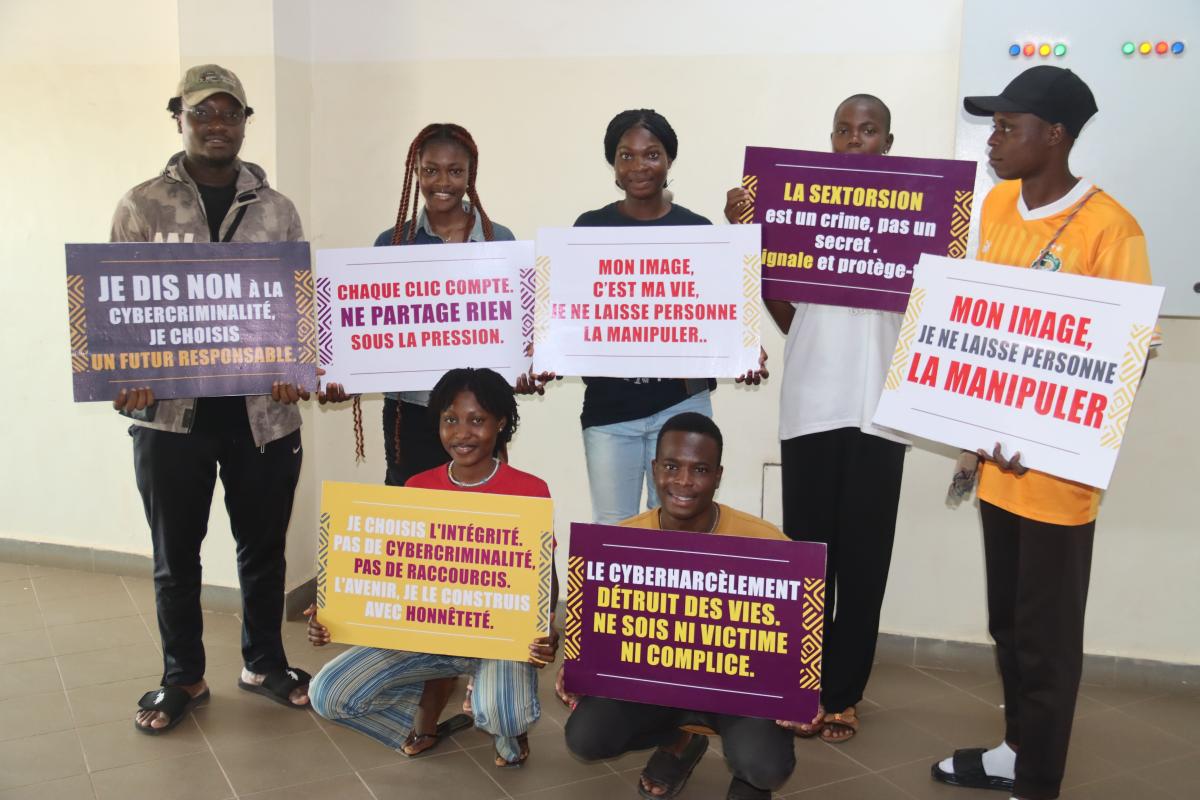
Octobre, Mois de la Cybersécurité : Plus de 1 000 écoliers, élèves et étudiants sensibilisés contre la sextorsion et le cyberharcèlement au Bénin
Osée DOSSOU-HOUEGBE | 06/11/2024
Dans le cadre du Mois de la Cybersécurité, Enabel a accompagné la Police républicaine du Bénin et la Direction de la Lutte contre la Cybercriminalité (DLC) dans une campagne de sensibilisation d’envergure auprès de plus de 1 000 jeunes. L’objectif ? Les informer et les mobiliser contre deux dangers croissants dans le cyberespace béninois : la sextorsion et le cyberharcèlement. Ces phénomènes impactent particulièrement les jeunes générations, rendant nécessaire une prise de conscience accrue et une éducation appropriée pour se prémunir contre ces menaces. Cette initiative a vu la participation d'experts en cybersécurité de l'Agence des Services et Infrastructures Numériques (ASIN) qui ont contribué à informer les jeunes, filles et garçons, issus de 10 établissements scolaires et universitaires. À travers des échanges interactifs dans les villes de Cotonou, Dassa, Parakou, et Bembèrèkè, les jeunes ont été sensibilisés aux bonnes pratiques pour naviguer en toute sécurité et encouragés à devenir des ambassadeurs de comportements responsables en ligne. Pour les écoliers, élèves et étudiants, cette activité a permis non seulement de renforcer leur résilience face aux cyber-risques, mais aussi d’encourager un usage conscient et protecteur des technologies de l’information. Grâce à cette éducation préventive, les jeunes sont désormais mieux équipés pour faire face aux défis du monde numérique et pour se soutenir mutuellement dans un esprit de solidarité et de vigilance. Pour la Police républicaine, cette campagne s’inscrit dans le cadre de son engagement en matière de police communautaire et de prévention. En établissant un dialogue de proximité avec les jeunes, elle renforce sa mission de service public et développe des relations de confiance au sein des communautés. Cette approche proactive de la sécurité contribue à un cyberespace plus sûr et à un environnement éducatif protégé, répondant aux enjeux de sécurité nationale et à la cohésion sociale.
-
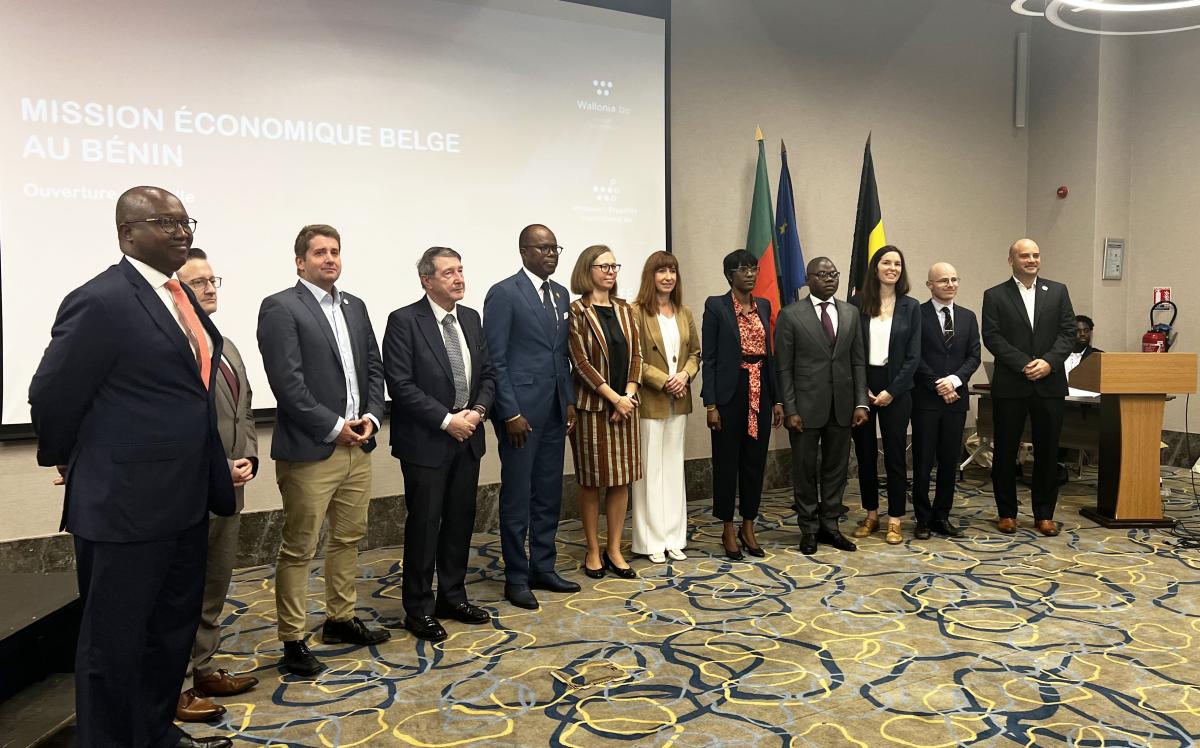
Renforcement des relations bilatérales entre le Bénin et la Belgique
Reece-hermine ADANWENON | 05/11/2024
Du 02 au 09 novembre, une mission économique belge, composée de 70 délégués de 48 entreprises, séjourne au Bénin pour explorer de nouvelles potentialités économiques. Organisée par l'Agence Wallonne à l'exportation et aux investissements étrangers (Awex), cette visite marque une étape importante dans le renforcement des relations bilatérales entre la Belgique et le Bénin. Lors de l'ouverture des sessions d'échanges, Mme Sandrine Platteau, Ambassadrice de la Belgique au Bénin, a souligné l'enthousiasme de la Belgique pour les opportunités économiques béninoises, mettant en avant la solidité des liens diplomatiques établis depuis les années 1970. Les relations entre nos deux pays reposent sur des décennies de coopération fructueuse, notamment via Enabel, l'Agence belge de développement, ainsi que des collaborations militaires et culturelles. Eric Akoutè, directeur des études à l'Agence de promotion des investissements et des exportations (Apiex), a expliqué que le Bénin, grâce à sa politique de détaxation des investissements, offre un cadre propice aux entreprises étrangères. « Au Bénin, nous avons un gouvernement pro-business qui veut encourager l'investissement. L'investissement est détaxé, avec des exonérations fiscales pouvant aller de cinq à dix-sept ans, quel que soit le secteur », a-t-il affirmé, encourageant ainsi la délégation belge à saisir cette opportunité unique. À la tête de la délégation belge, Pascale Delcomminette a rappelé l'ambition de la Belgique de contribuer au développement du Bénin, notamment en matière de formation et de transfert de technologie. « Nous bénéficions d'une expertise dans les secteurs de l'eau, de l'énergie et des infrastructures, de la santé, de l'agriculture, des domaines cruciaux pour la croissance durable du Bénin. Cette mission est aussi l'occasion de renforcer nos partenariats institutionnels, en soutien au Programme d'action du gouvernement béninois pour 2021-2026 », a-t-elle laissé entendre. Lors du panel sur les financements internationaux en Afrique de l'Ouest, Olivier Krins, Directeur Bénin d'Enabel, a souligné l'importance des partenariats financiers innovants et durables pour relever les défis de développement dans la région. Il a mis en avant plusieurs succès spécifiques des projets de financement durable :structuration des filières agricoles : à travers une combinaison d'instruments, Enabel a accompagné le ministère de l'agriculture, de l'élevage et de la pêche à structurer les filières agricoles et à mobiliser des financements publics et privés pour accroître la productivité et la compétitivité des chaînes de valeur. L'approche cluster, développée et reconnue par le gouvernement, a été un modèle de succès dans les filières du riz, de l'ananas et de l'anacarde.mobilisation du secteur privé belge : le partenariat réussi entre Colruyt, AFOKANTAN et la Fédération Nationale Producteurs d'Anacarde du Bénin (FENAPAB) a renforcé le secteur financier local pour le financement des chaînes de valeur agricole, avec la mise place des guichets spécialisés, des produits financiers innovants et des mécanismes de garantie.partenariats stratégiques : Enabel a établi un partenariat stratégique avec le Fonds National de Développement Agricole (FNDA) et les institutions financières locales pour soutenir les investissements dans 26 entreprises de la filière ananas, mobilisant 3 millions d'euros de ressources privées pour 1 million d' euros de facilité d'investissement.innovation numérique : la construction de partenariats novateurs avec des startups et des sociétés de technologies a permis des innovations numériques dans les filières ananas et riz, avec près d'un million d'euros levés et 3 millions d'euros attendus en début 2025.Cette mission économique belge est une opportunité exceptionnelle pour renforcer les synergies entre les deux pays et explorer de nouvelles avenues de coopération.
-
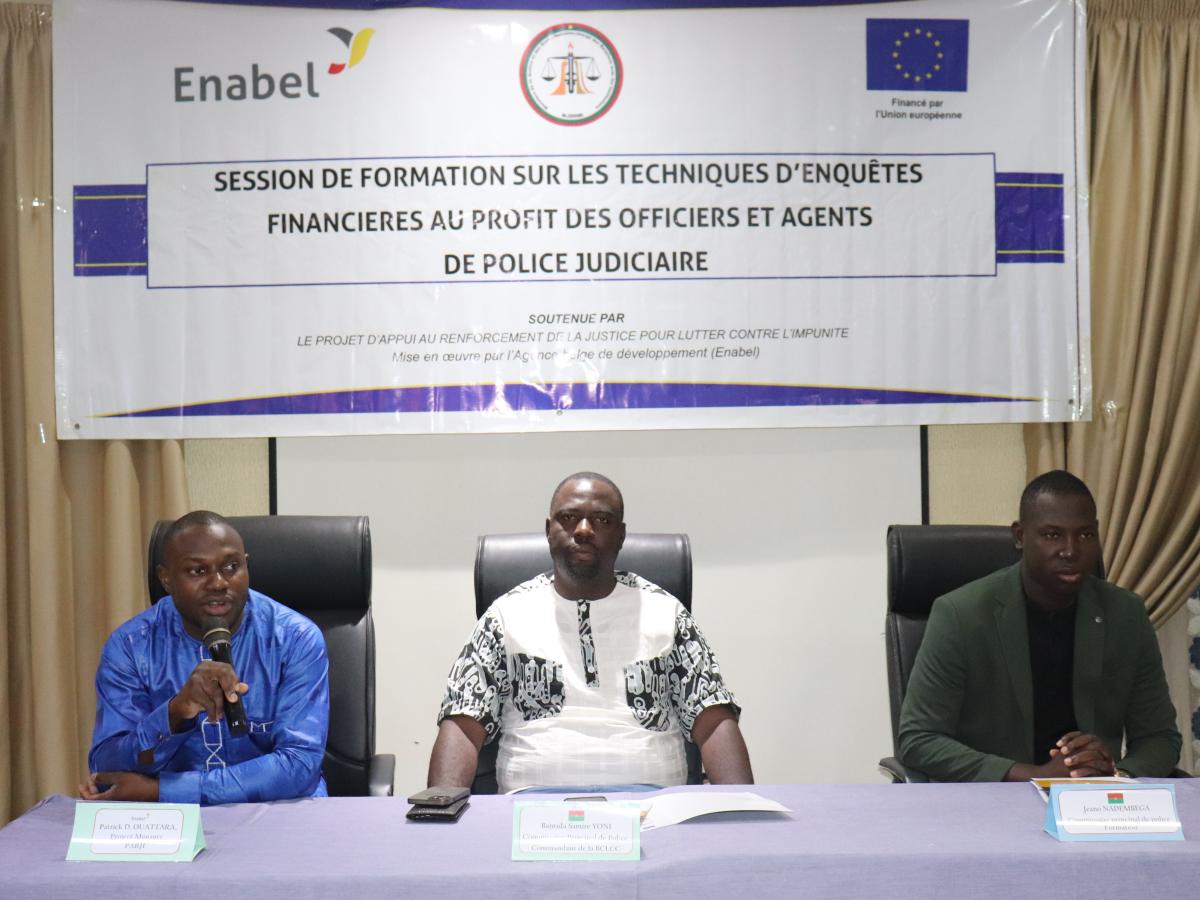
Lutte contre le blanchiment de capitaux (BC) et autres financements d’activités illégales : des enquêteurs renforcent leurs capacités au Burkina Faso grâce au soutien d’Enabel
Geoffroy ZONGO | 04/11/2024
Du 26 au 30 Aout 2024 à Ouagadougou, Enabel en collaboration avec la Brigade Centrale de Lutte Contre la Cybercriminalité (BCLCC), a organisé un atelier de renforcement des capacités des agents et officiers de police judiciaire (APJ et OPJ) sur les techniques spéciales d’enquêtes et sur l’enquête financière en matière de blanchissement des capitaux et autres financements d’activités illégales. Cette formation entre dans le cadre de la mise en œuvre des activités du Projet d’Appui au Renforcement de la Justice pour lutter contre l’Impunité (PARJI) au Burkina Faso. Financé par l’Union européenne, le PARJI est mis en œuvre par l’Agence belge de développement (Enabel) sur une durée de 03 ans (2021-2024). Cet atelier, 2e et dernier du genre pour le PARJI, avait pour objectif de renforcer les capacités des APJ et OPJ relevant de la cour d’appel de Ouagadougou sur les techniques spéciales d’enquête notamment les techniques d’enquêtes financières en matière de blanchiment de capitaux, de financement d’activités illégales et de recouvrement des avoirs criminels. Ainsi, durant les 05 jours de formation, les apprenants ont approfondi leurs connaissances sur les notions du blanchiment de capitaux (BC) et du financement d’activités illégales. Ils ont appris les différentes typologies ou principales techniques de base de BC, les techniques spéciales d’enquête, les techniques de l’enquête financière, les techniques d’investigation financière et la gestion de l’enquête financière. Les APJ et OPJ ont également pris connaissance du contexte de lutte contre le BC au Burkina Faso et de la coopération policière en matière pénale. Des exercices pratiques d’enquête et des partages d’expériences ont aussi permis aux participants de s’aguerrir davantage en matière de lutte contre le BC et le financement d’activités illégales.Au total 26 APJ et OPJ ont pris part à la formation du 26 au 30 août 2024 à Ouagadougou. Pour l’ensemble des 2 formations similaires au bénéfice des APJ et OPJ de la Cour d’Appel de Ouagadougou pour le compte de l’année 2024, 53 personnes en ont été bénéficiaires.
-

Advancing respect for human rights by businesses in Uganda Project launched
John CANDIGA | 04/11/2024
launched the Advancing Respect for Human Rights by Businesses in Uganda project in Kampala Metropolitan region, after successful regional launches in the Albertine and Busoga regions where the project will also be implemented.The project is part of the European Union's support to implement Uganda’s National Action Plan on Business and Human Rights and focuses on three thematic areas: labour rights in the agricultural sector, natural resource governance and land, and digital rights and internet governance.Speaking during the Kampala launch at Four Points by Sheraton Hotel, the state minister for gender, labour, and social development in charge of older persons, Hon. Dominic Gidudu Mafabi, acknowledged the existence of human rights violations by businesses in Uganda. “These negative occurrences include; child labour, especially in the farming and mining sectors; violation of workers’ rights, and discrimination against women and vulnerable groups in the business sector”, said Mafabi.He said that the government is committed to addressing the prevailing human rights violations to ensure that workers enjoy safe working conditions in businesses and other workplaces. “In 2021, we committed to embarking on the business and human rights agenda by adopting the National Action Plan on Business and Human Rights, whose objectives we are currently implementing as a ministry, together with organisations, state, and non-state actors.The Commissioner for Equity and Rights at the Ministry of Gender, Labour, and Social Development, Mr. Benard Mujuni said that the project has started timely. “We have conducted this launch in different regions and the complaints were overwhelming, highlighting the need for these issues to be addressed”, said Mujuni.The Uganda Human Rights Commission, one of the government agencies that will support the implementation of the project, through the chairperson, Mariam Fauzat Wangadya pledged to support the effectiveness of the project by uniting businesses communities, and Civil Society Organisations to strengthen accountability and raise human rights standards”, said Wangadya. The chairperson added that Uganda leads Africa by adopting the first National Action Plan on Business and Human Rights.Lucy Peace Nantume, a Business and Human Rights Expert for Enabel in Uganda during the Busoga region launch emphasized the significance of the project in light of the recent discovery of rare earth minerals in Busoga. "Wherever minerals are found, human rights violations tend to follow. This project will educate communities about their rights, especially as they face potential exploitation related to the new mineral discovery", Nantume noted.Hon. Sauda Kauma Alibaawo, the area Woman Member of Parliament, lauded the European Union and the implementing partners for launching the initiative at a critical time. She highlighted that communities in Busoga, now aware of their rights, will be better equipped to protect themselves from potential abuses related to mineral extraction and other business activities.Laurianne Comard, a representative from the European Union said that the EU is excited to be part of Uganda’s journey towards reducing rights abuses in businesses. “We are optimistic about the 5 million Euros Business and Human Rights project. As part of our flagship program supporting sustainable business growth, it’s timely for Uganda as the European Union works toward due diligence regulations ensuring businesses uphold human rights”, said Comard.The advancing Respect for Human Rights by Businesses in Uganda Project is funded by the European Union to the tune of 4.8 million Euros. The three-year project started in 2023 and will end in 2026. It is being implemented in three regions of Uganda, namely: Albertine (Hoima, Kikuube, Masindi, and Kiryadongo districts), Busoga (Mayuge, Iganga, Bugiri, and Bugweri districts), and Kampala Metropolitan (Mukono, Wakiso, and Kampala districts) where the national launch was held.The project will empower 6 civil society organizations to drive advocacy, dialogue, and actions that strengthen Uganda’s Business and Human Rights agenda. Additionally, 50 businesses will receive support to implement human rights due diligence aligned with both national and international standards.Other partners that Enabel and the Ministry of Gender, Labour, and Social Development will implement the project together with include; the Uganda Human Rights Commission, Equal Opportunities Commission, Businesses and Business Membership Organisations, and Civil society organizations: Initiative for Social and Economic Rights (ISER), Collaboration on International ICT Policy for East and Southern Africa (CIPESA), Resource Rights Africa (RRA), and Africa Centre for Energy and Mineral Policy (ACEMP).
-
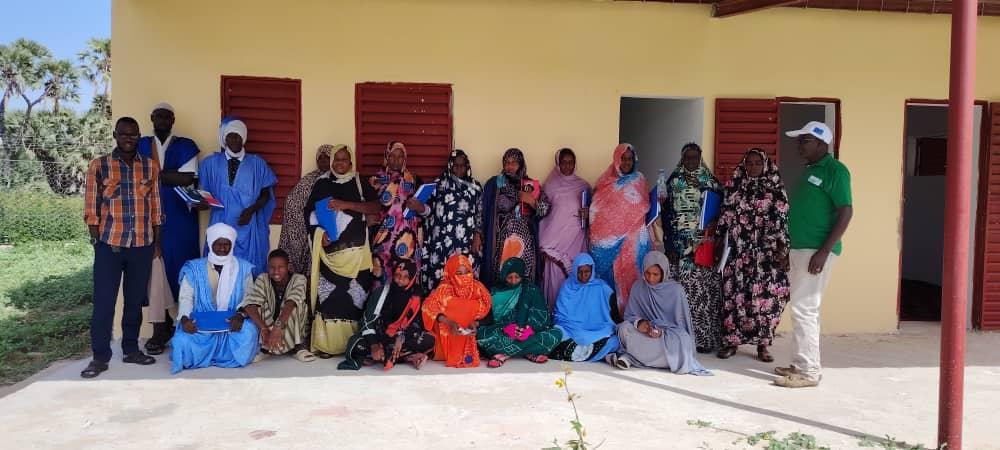
RIMFIL favorise une filière maraîchère durable en Mauritanie avec des Jardins Maraîchers Circulaires
Aminata KANE | 04/11/2024
Dans le cadre de sa mission de développement durable en Mauritanie, le programme RIMFIL, avec le soutien de l'Union européenne, a mis en place dix Jardins Maraîchers Circulaires (JMC) répartis dans les wilayas d'Assaba, Guidimakha, Hodh El Garbi et Hodh El Chargui. Ces jardins, chacun d'une superficie de 2 hectares, visent à renforcer la résilience des exploitations familiales et à promouvoir une agriculture maraîchère durable.Chaque JMC forme 10 producteurs locaux, qui à leur tour forment des groupes pour l’exploitation commune du jardin, impliquant environ 100 personnes par site. Un technicien résident encadre chaque JMC pour assurer un suivi technique continu, garantissant ainsi un développement optimal de ces exploitations.Les JMC forment également 10 facilitateurs maraîchers par site. Ces facilitateurs, venus des périmètres maraîchers locaux, sont formés pour maîtriser le concept des JMC et le reproduire dans leurs communautés respectives. Grâce à ce transfert de compétences, les périmètres maraîchers bénéficient de nouvelles installations : forages équipés, systèmes d’irrigation, bassins de stockage et sécurisation des périmètres. Ce modèle intégré permet de renforcer l'autosuffisance alimentaire et la résilience face aux défis environnementaux et économiques.Enabel et l'Union européenne poursuivent ainsi leur mission de soutien aux communautés agricoles et de promotion de pratiques maraîchères durables en Mauritanie.
-
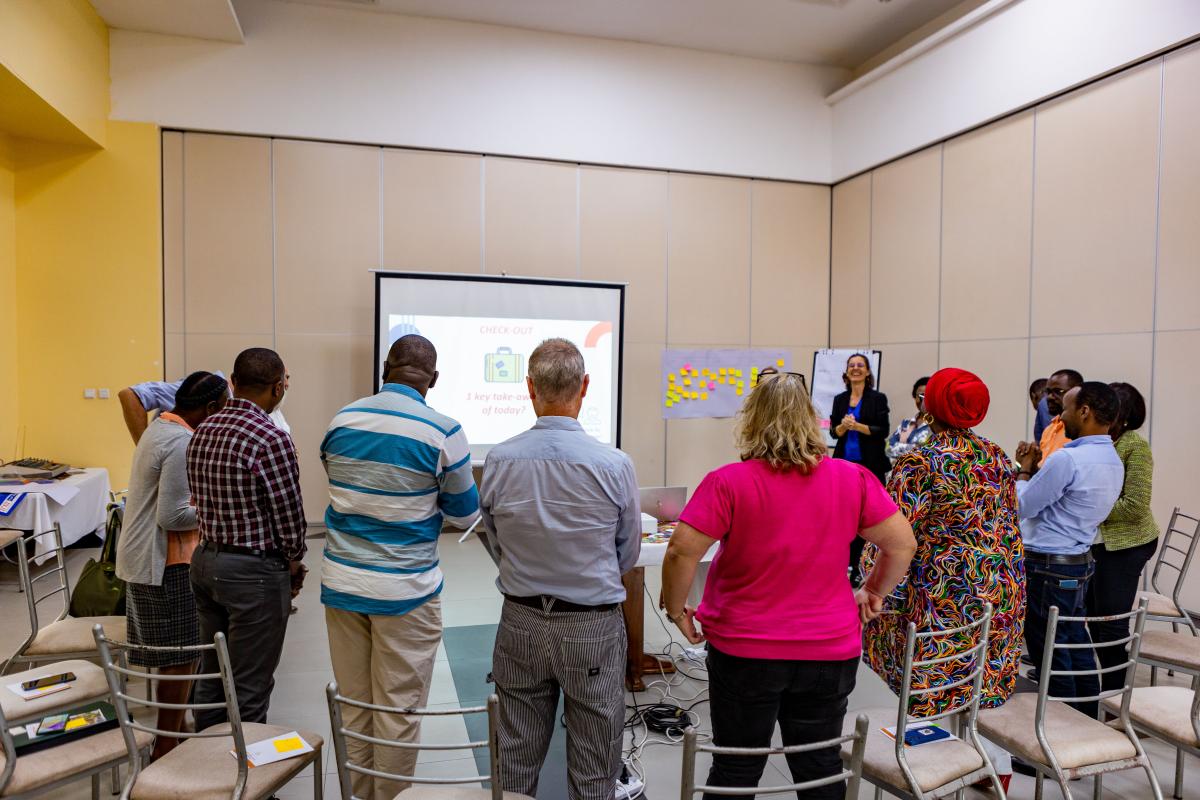
TuriKumwe Rwanda Team concludes a successful retreat
Denise NSANGA | 04/11/2024
Today, the TuriKumwe Rwanda Team concluded an energizing two-day retreat that fostered collaboration and alignment within the new organisational structure. The retreat provided an opportunity for team members to clarify mandates and roles, strengthening cohesion through authentic relating.In addition to aligning roles, the team reviewed collaborative practices and discussed the implementation of Strategy 2030 and the Business Plan 2025 by co-creating the CAP 2025, emphasizing shared leadership and collective vision.To celebrate the outcomes and the team’s efforts, group photos were taken, capturing the enthusiasm and camaraderie that defined the retreat. The TuriKumwe Team looks forward to implementing the insights gained during the workshop and continuing to work together towards Enabel’s goals. The TuriKumwe Rwanda Team is composed of the Country Management Team plus Project management teams.